
What Can Ancient Eastern Medicine Teach Us About Modern Self-Care?
In the United States, many are seeking eastern medicine for grounding. Traditional Chinese medicine (TCM) and Ayurveda provide tools for mindful living. They emphasize natural balance, daily rituals, and herbs for skin and nerves.

For over two millennia, TCM has explained how qi moves and health is shaped. Ayurveda adds daily rhythm to align sleep, food, and movement. Today, herbal skincare, gua sha, and seasonal eating reflect these ideas for a modern audience.
Modern science studies how stress affects skin and mood. Research in Physiology Reviews and Frontiers in Cellular Neuroscience explores the skin–brain axis. Experts like Martin Steinhoff and Vitaly Napadow have found that touch and acupuncture can calm pain and improve balance.
Beauty in TCM reflects vital essence and spirit, taught by Lillian Bridges and Ping Zhang. This view connects the face, emotions, and organs. It guides gentle routines for modern self-care, backed by evidence for mindful living and natural balance through herbal skincare.
Ancient frameworks for holistic healing and mindful living
In eastern medicine, the body mirrors nature's cycles. These ancient maps promote mindful living and natural remedies. They help balance body and mind gently.

Foundations of Traditional Chinese Medicine: qi, meridians, yin–yang, and the five elements (metal, wood, water, fire,
Traditional Chinese medicine sees qi flowing like rivers through meridians. Health is about balance between yin and yang, aided by the five elements. Practitioners use these elements to understand health patterns.
Tools like acupuncture and herbal formulas aim to restore balance. These methods focus on mindful rituals and breathing. They help the body reset and recover.
Ayurveda and dinacharya: daily rhythms, digestion, and mind–body balance
Ayurveda focuses on doshas and dinacharya, a daily routine. It supports digestion and calm. Simple steps like rising with dawn and eating warm meals help balance body and mind.
Practices like oil massage and yoga are natural remedies. They respect appetite and sleep, protecting energy and mood. This approach also eases stress on the gut and nerves.
From trends to roots: why gua sha, oil pulling, tongue scraping, and seasonal eating endure
Many trends come from these ancient practices. Gua sha boosts circulation, while oil pulling and tongue scraping refresh the mouth. Seasonal eating matches food to climate, keeping routines simple.
- Choose one or two mindful rituals you can repeat daily.
- Favor warm, easy-to-digest meals when stress runs high.
- Let recovery days follow heavy work or travel.
Balance body and mind: aligning sleep, diet, and movement with natural cycles
Align bedtime with darkness, eat at regular hours, and move with purpose. These habits anchor the nervous system. In eastern medicine, consistency is key, not intensity.
Notice how metal wood water fire earth show up in seasons. Adjust routines with small changes in meals, breath, and downtime. This keeps you in sync with nature.
These frameworks teach patience. By listening to daily signals, you build a strong foundation for holistic healing. It's about making small, steady changes.
The face–brain connection: energy flow, emotion, and beauty as a vital sign
Our faces show what's happening inside us. The way our skin looks and feels can tell us a lot. When we take care of our skin in a way that respects our brain, we might see changes in our mood and energy.
Touch and temperature matter. Soft massage, cool tools, and slow breathing can help calm us down. Using natural skincare and certain herbs can also help us relax and feel more centered.

Face mapping in TCM: organ–emotion links across forehead, cheeks, and chin
Traditional Chinese Medicine sees the face as a map of our health. The forehead shows how our Heart is doing. The cheeks tell us about our Lungs and how we handle sadness. The chin is linked to our Kidneys, willpower, and fears.
Experts look at puffiness, lines, and jaw tension to understand our health. A tight brow might mean our Liver is stressed. A soft jaw could show our Kidneys are low. These signs are not just about looks; they tell us about our life and energy.
Psychodermatology and the skin–brain axis: stress, cortisol, and inflammation
Psychodermatology links stress to our skin through the HPA network. Too much cortisol can harm our skin's barrier and slow healing. Skin problems can also send stress signals back to our brain, affecting our mood and sleep.
Simple actions can help break this cycle. Try timed light, deep breathing, and calming textures before you clean your face. Adding natural skincare and gentle herbs can help balance our skin and brain.
Neurocosmesis and sensory pathways: touch, temperature, and mood regulation
Neurocosmesis looks at how skincare and rituals affect our mood. Cool touches, rhythmic strokes, and gentle pressure can calm our nervous system. This can change how we feel stress in our body.
Products that feel good and smell nice can help keep our mind calm. When skincare is about comfort and not just looks, it becomes a way to manage our mood every day.
Meridian balance and shen: integrating nervous system care into skincare rituals
Skincare can be a way to calm our spirit and focus. Slow strokes along our jaw, temples, and brow follow important pathways for emotions. When we match our touch with our breath, we can feel more balanced.
Facial acupuncture points like Yin Tang and auricular Shen Men can calm us down. At home, we can use cool compresses, natural skincare, and mindful pacing to connect our beauty routines with our inner peace.
Traditional Chinese medicine (TCM) philosophy, Modern self-care, Herbal skincare
Traditional Chinese medicine (TCM) sees the face and body as connected to inner balance. It talks about jing as stored energy, qi as movement, and shen as the spirit in eyes and mood. Modern self-care follows these ideas with habits like steady sleep, warm digestion, and gentle movement.
Herbal skincare uses plants like ginseng and licorice root to calm and even skin. It also supports comfort. Studies show touch and scent can change stress levels, like what Anjan Chatterjee and Oshin Vartanian found about beauty and emotion.
Design is key too. Eastern aesthetics likes clean lines, touch, and rituals that feel natural. Natural wellness products and meditation tools help focus breath and attention. The du20 brand combines form and function for easy, enjoyable daily care.
- Morning: warm water, brief breathwork, and a light facial massage to encourage qi flow.
- Midday: mindful posture, steady meals that support digestion, and a short walk.
- Evening: herbal skincare with gentle pressure points, low light, and quiet reflection.
These steps make TCM principles easy to follow without stress. The aim is a rhythm that fits real life. With the right tools and products, skin and senses work together, making herbal skincare a daily calm.
Natural remedies that work with design: DU20’s approach to healing through design
DU20 makes wellness simple with natural products. Each item follows meridian logic and circadian cues. This creates a path to balance through design.
Design is the ritual: texture, temperature, and weight calm the nervous system. These details make balance a daily practice.
Translating wisdom into modern objects
DU20 turns ancient wisdom into modern tools. We have weighted stones, energy jewelry, and mindfulness accessories. Our botanical skincare combines soothing touch with herbal ingredients.
Each piece supports your energy by aligning sensation with intention. This helps you feel calm in minutes and sustain it all week.
Daily application through rhythm and breath
Here's how to apply eastern wisdom in daily life:
- Rise with light: open shades, drink warm water, and breathe for one minute before screens.
- Midday reset: roll shoulders, do three slow exhales, and apply a calming face oil to reconnect.
- Evening wind-down: dim lights by 9 p.m., hold a grounding acupressure point, and journal one line.
These cues help your body relax. With natural wellness products, they improve sleep and calm.
Botanical skincare and key herbal ingredients
DU20 uses botanical skincare that respects your skin and brain. Ginseng and licorice root calm redness. Our products are lightweight and gentle.
We combine soothing textures with aroma and temperature. This creates a full sensory experience. It lets topical actives and breath work together.
At-home tools: gua sha, cupping, and point-focused sequences
Gua sha improves circulation and eases tension. Use slow strokes with light oil, pausing under the cheekbone.
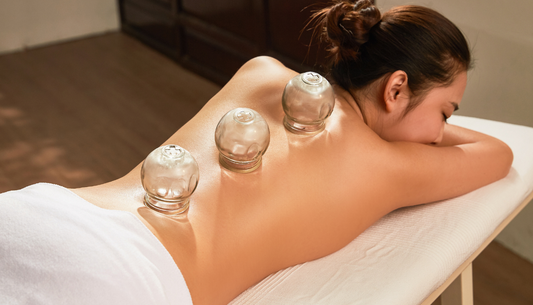
Cupping therapy loosens fascia and brings warmth. Keep sessions brief and move cups often. Watch skin color for comfort.
Try gentle pressure at Yin Tang before bed, then along the ears. These practices pair well with energy jewelry and mindfulness accessories.
When objects, touch, and breath align, design teaches quietly. The practice is short, repeatable, and grounded in care.
Evidence-informed practices: acupuncture, neuroplasticity, and modern research
Modern research is catching up with eastern medicine's language. Studies by Siyi Yu, Vitaly Napadow, and Ted J. Kaptchuk in the Journal of Clinical Medicine show acupuncture's effects. They found it changes pain and reward circuits in chronic low back pain.
After ischemic stroke, needling may help neuroplasticity, says Frontiers in Cellular Neuroscience. These findings support the idea of energy flow and meridian balance. But they also show measurable changes in the brain.
The skin is also important. Physiological Reviews by Dirk Roosterman and colleagues call it a neuroimmunoendocrine organ. This helps explain psychodermatology, where stress and cortisol weaken the skin barrier.
Neurocosmetics research, as seen in Clinics in Dermatology, tests mood-shaping textures and compounds. These sensory experiences are similar to gua sha and gentle massage. They may support vagal tone, connecting modern self-care with eastern medicine.
Behavior and expression are key. Anjan Chatterjee and Oshin Vartanian's work in neuroaesthetics shows how aesthetics change perception and emotion. Facial feedback studies suggest changing expression can alter limbic activity.
Studies by Tillmann Hennenlotter and Eric Finzi with Norman Rosenthal link onabotulinumtoxinA to amygdala responses and lower depressive symptoms. Research on stress mediators and the skin microbiota in aging, like Mariana Duarte's in 2024, supports herbal skincare. It aims to calm and restore.
The evidence shows clear steps to follow. Use acupuncture principles for touch, breath, and timing. Choose sensory-rich routines and herbal skincare that respect circadian cues.
Support energy flow with simple rituals that favor consistency over intensity. These patterns honor meridian balance and shen nourishment. They fit into daily American life. Even when agencies update, science remains the anchor, grounding ancient insight in repeatable practice.
FAQ
What can Ancient Eastern Medicine teach us about modern self-care?
Ancient Eastern Medicine shows us that health is about balance. Traditional Chinese Medicine (TCM) looks at qi and meridians. Ayurveda focuses on daily routines and digestion.